

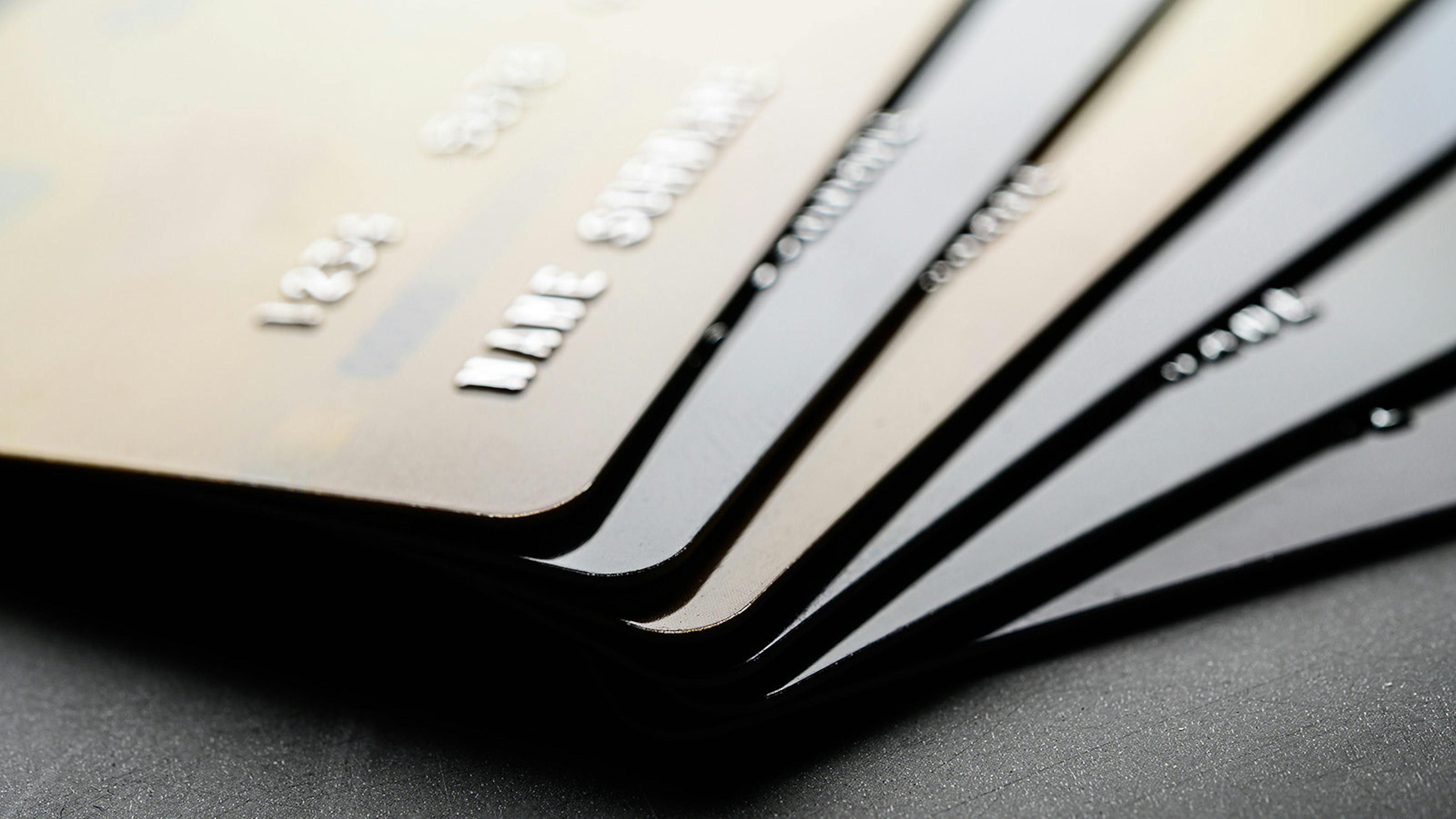
Paying for most things by check has nearly become a thing of the past thanks to the convenience of credit and debit cards. With that has also come a huge surge in online shopping. It’s simple – you put in your name, card number, zip code, and that short code on the back of your card and your online purchase is complete. But what is that little number and why is it important? Here’s everything you need to know about that CVV or security code.
What Does CVV Stand for?
Every credit and debit card contains a three or four-digit number separate from the card number. This Card Verification Value (CVV) or Card Verification Code (CVC) number is most often found next to the signature panel. On a VISA®, MasterCard® or Discover® card, the CVV is three digits and is located on the back. On American Express® cards, it’s four digits and is located on the front near the card number.
Why Is the CVV Important?
This number is an important added layer of security for cards. When making purchases online or over-the-phone, it verifies you are likely the cardholder and have the card physically in your possession. Unlike your card number, the CVV is not embossed or stored by merchants, which helps protect your information if a website or database is compromised.
As Bruce McClary, senior vice president of communications for the National Foundation for Credit Counseling, explained to U.S. News & World Report, “There is a reduced chance that your account will be used to make unauthorized purchases when someone obtains your credit card number without the CVV code.”
In short, even if someone gets your card number, the CVV helps prevent unauthorized transactions.
How the CVV Protects You During Online Shopping
When you enter your CVV for an online or phone purchase, it:
- Confirms the card is physically present
- Adds a layer of fraud prevention beyond the card number
- Helps merchants verify legitimate transactions
That’s why many websites won’t complete a purchase without it.
Tips to Keep Your Card Information Safe
Here are a few helpful things you can do to safeguard your card security:
- Never post pictures of your card or card details online or to social sites.
- Beware of scams and never give your payment info to someone you don’t know or trust, at least without extensive research. Trust your gut.
- Use a secure network when making online purchases or entering sensitive personal or financial information.
Your CVV may be small, but it plays a big role in keeping your money safe. By understanding what it is and how it works—and by practicing good security habits—you can shop and bank with more confidence.
OMB and its affiliates do not provide legal, tax or accounting advice. You should consult your legal and/or tax advisors before making any financial decision.

Plan for Anything
Our 40+ free financial calculators can help you finesse your budget, compare borrowing costs, forecast earnings and so much more.